
In 2026, fashion is no longer just about style or seasonal trends. It has become a powerful form of expression — one that reflects emotions, values, and real-life experiences. Mental health clothing is now everywhere, not because it is fashionable, but because it is necessary.
People are no longer hiding how they feel. Anxiety, depression, burnout, and emotional exhaustion are openly discussed, and clothing has become one of the most natural ways to express those feelings. What we wear today says more about our inner world than our outer image.
Mental health clothing represents a cultural shift. It shows that society is finally choosing honesty over perfection and connection over silence.
Fashion Has Become a Safe Space for Expression
For years, mental health conversations were pushed aside. People were told to “stay strong,” “move on,” or “keep it together.” In 2026, that mindset feels outdated.
Mental health clothing offers a safer way to express emotions without the pressure of explaining them. A hoodie, t-shirt, or design can say what someone is struggling to put into words. It allows people to be seen without feeling exposed.
This is why mental health clothing resonates so deeply. It doesn’t demand attention — it invites understanding.
Why 2026 Is the Turning Point
Mental health awareness has been growing for years, but 2026 marks the moment it became fully integrated into everyday life. The reason is simple: people are tired of pretending everything is fine.
Burnout has become common. Emotional fatigue is real. Social pressure, financial stress, and digital overload have pushed people to seek comfort in authenticity.
Mental health clothing answers that need. It doesn’t glamorize pain, but it acknowledges it. That honesty is what makes it powerful — and why it has moved from niche to mainstream.
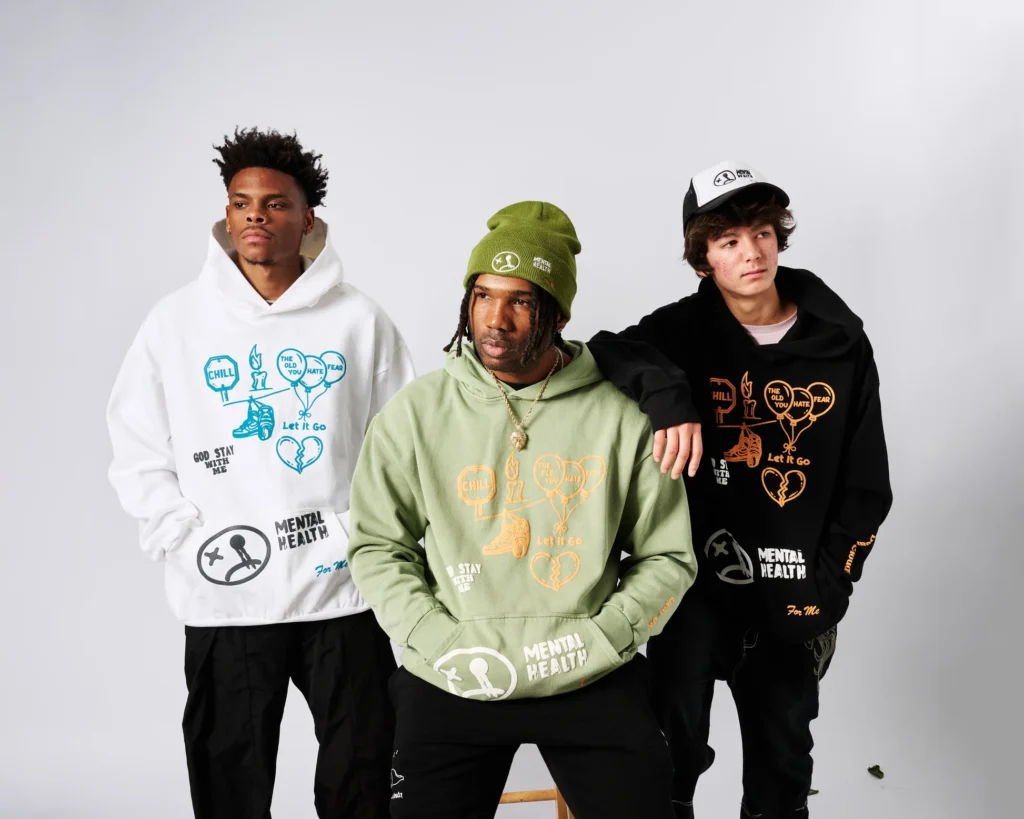
Younger Generations Are Leading the Movement
Gen Z and Millennials are shaping culture in 2026, and they value emotional transparency more than any generation before them. For them, fashion isn’t just aesthetic — it’s personal.
They support brands that feel human. They connect with messages that reflect real emotions. They choose clothing that stands for something meaningful.
Mental health clothing fits naturally into this mindset. It aligns with values like self-awareness, empathy, and authenticity. That’s why younger consumers don’t see it as “statement clothing.” They see it as everyday wear.
Mental Health Clothing Is Modern Self-Care
Self-care in 2026 isn’t about luxury or perfection. It’s about survival, balance, and small reminders that things will be okay.
Mental health clothing acts as wearable reassurance. When someone puts on a piece that reflects their emotions, it creates a sense of comfort. It feels grounding. It feels understood.
For many people, these clothes become emotional armor — something that offers support during difficult days. That emotional connection turns clothing into something far more meaningful than fabric.
Purpose-Driven Fashion Is Winning
Consumers in 2026 are far more intentional about what they buy. Fast fashion is losing trust, while purpose-driven brands are gaining loyalty.
Mental health clothing sits at the center of this shift. People want to support brands that stand for real causes, not empty trends. They care about meaning, not mass production.
When someone buys mental health apparel, they aren’t just making a purchase — they’re aligning with a message. That sense of purpose builds stronger emotional bonds between brands and customers.
Why Mental Health Clothing Performs So Well Online
Mental health clothing doesn’t just succeed emotionally — it performs exceptionally well digitally.
People actively search for:
- mental health clothing
- mental health awareness apparel
- anxiety clothing
- depression awareness hoodies
- clothing with meaning
These searches show intent. They come from people who are already emotionally invested.
Content related to mental health also creates higher engagement. Readers spend more time on pages. They share content more often. They connect deeply with stories. All of this helps mental health clothing brands grow organically online.
Clothing That Starts Conversations Without Pressure
One of the biggest reasons mental health clothing is everywhere in 2026 is that it opens doors without forcing dialogue.
Not everyone wants to talk about their struggles. Mental health clothing respects that. It allows people to signal how they feel without explanation.
A simple message on a hoodie can lead to empathy, understanding, or even silent support. That subtle connection is powerful — and deeply needed in today’s world.
Streetwear and Emotional Honesty Go Hand in Hand
Streetwear has always been about identity, rebellion, and authenticity. In 2026, emotional honesty has become part of that identity.
Mental health clothing blends seamlessly into streetwear culture because both reject fake perfection. They celebrate individuality, raw expression, and real stories.
That’s why mental health streetwear doesn’t feel forced. It feels natural. It feels current. And it continues to grow because it reflects real life.
Consumers Want Brands That Feel Real
Polished, corporate messaging doesn’t connect anymore. People want brands that feel human, relatable, and emotionally aware.
Mental health clothing brands that succeed in 2026 don’t talk at their audience. They speak with them. They acknowledge struggle without exploiting it.
That honesty builds trust — and trust builds long-term loyalty.
Mental Health Clothing Is Not a Trend — It’s a Cultural Shift
Trends fade. Cultural shifts last.
Mental health clothing is here to stay because emotional awareness is here to stay. As society continues to evolve, people will continue to look for ways to express how they feel.
Clothing that reflects mental health doesn’t age out. It grows with the person wearing it.
What This Means for the Future of Fashion
The future of fashion belongs to brands that understand people, not just markets. Mental health clothing represents the direction fashion is heading — toward empathy, purpose, and authenticity.
Brands that embrace this movement will thrive. Those that ignore it will struggle to stay relevant.
Final Thoughts
Mental health clothing is everywhere in 2026 because people are done hiding. They want to be seen, understood, and accepted — exactly as they are.
This movement isn’t loud or flashy. It’s quiet. Honest. Real. And that’s why it’s powerful.